Walk down Castro Street on a Wednesday evening this month and you'll hit the last stretch of live music before the season ends. The city's Music on Castro series has run every Wednesday from April through October this year, five to 6:45 p.m. on the 200 block near Dana Street, and by the time it wraps this fall it will have been the backdrop to dozens of dinners, strolls, and impromptu happy hours. If you've lived here more than a year or two, you've probably stopped noticing it as an event and started treating it as a Wednesday.
That's the thing about downtown Mountain View. The block feels stable in a way that has nothing to do with any single restaurant staying put. What actually holds steady are the fixed points on the calendar. What churns, constantly, is everything else.
The Address That Keeps Changing Its Name
Consider 110 Castro Street, as Palo Alto Online reported. In the space of about three years, that storefront has been three different things. It opened as Vida Tapas y Cócteles, a Spanish small-plates concept from the same team behind Doppio Zero next door. Vida closed on March 30, 2025, after two years, when owner Gianni Chiloiro said the concept wasn't drawing enough business. Three days later the space started its transformation into Johnny & Sanny's, an Italian-American room named after Chiloiro and his business partner Angelo Sannino, with velvet booths, black-and-white salumeria photos, and a menu of cioppino and Roman-style pizza built on nostalgia for old-school Italian restaurants in 1980s San Francisco.
Johnny & Sanny's opened May 2, 2025. It closed permanently on November 9, six months later. Chiloiro told Palo Alto Online the team was redirecting its energy toward expanding Doppio Zero, which now has locations in Concord, San Carlos, San Francisco, and Campbell, with more coming to Livermore and the Westfield Galleria at Roseville. The 110 Castro space didn't sit empty waiting for a fourth tenant. It became private event space, including for Doppio Zero itself, three doors down.
That's a useful data point if you're trying to read this block accurately. A single address hosted two full concepts and two closures in under three years, and the operator behind both of them never left the street. He just kept the real estate and let the concept above it change.
Twenty Years, One New Coffee Counter
Contrast that with 650 Castro Street, where Mediterranean Grill House has operated for nearly two decades. In February 2025, the restaurant closed briefly for a full interior renovation, reopening with marble walls, new banquette seating, and something new: a Sana'a Cafe counter inside, a Yemeni coffee program out of San Francisco known for Adeni chai and pastries like beef fatayer and rose milk cake.
A twenty-year restaurant investing in its own interior offers a contrast with a six-month concept at 110 Castro. Same block, same pedestrian foot traffic, different approaches.
New Operators on the Block
If Castro Street's economics were shaky, you'd expect new entrants to be cautious, chain-driven, or hedged with a national brand behind them. That's not what's showing up. Halal Street Xinjiang Cuisine & BBQ opened at 174 Castro, bringing Northern Chinese and Uyghur cooking to a block that already had significant range. It's a single-location, cuisine-specific operation, not a satellite of some larger Bay Area group.
As Palo Alto Online reported, NAR Restaurant opened the weekend of November 7 and 8, 2025, at 286 West El Camino Real, just off Castro. It's the first South Caucasus restaurant on the Peninsula, built by three Azerbaijani immigrants, Hikmat Babayev, Elshan Musayev, and Abulfaz Manafov, who started four months earlier with a Mediterranean food truck called Olivia Bros. The full restaurant now seats about 85 inside and 25 outside under a hand-painted pomegranate tree mural, serving dishes like piti, a slow-cooked lamb stew served in a clay pot, and saj chicken cooked tableside on a flat iron pan. Babayev told Palo Alto Online the name Nar, meaning pomegranate, was chosen because it symbolizes barakat, or good fortune, a value he said crosses the more than sixty nationalities represented across the Caucasus region.
NAR's opening adds to the churn; the city is also testing ways to bring more people downtown.
The City Is Filling the Gaps Itself
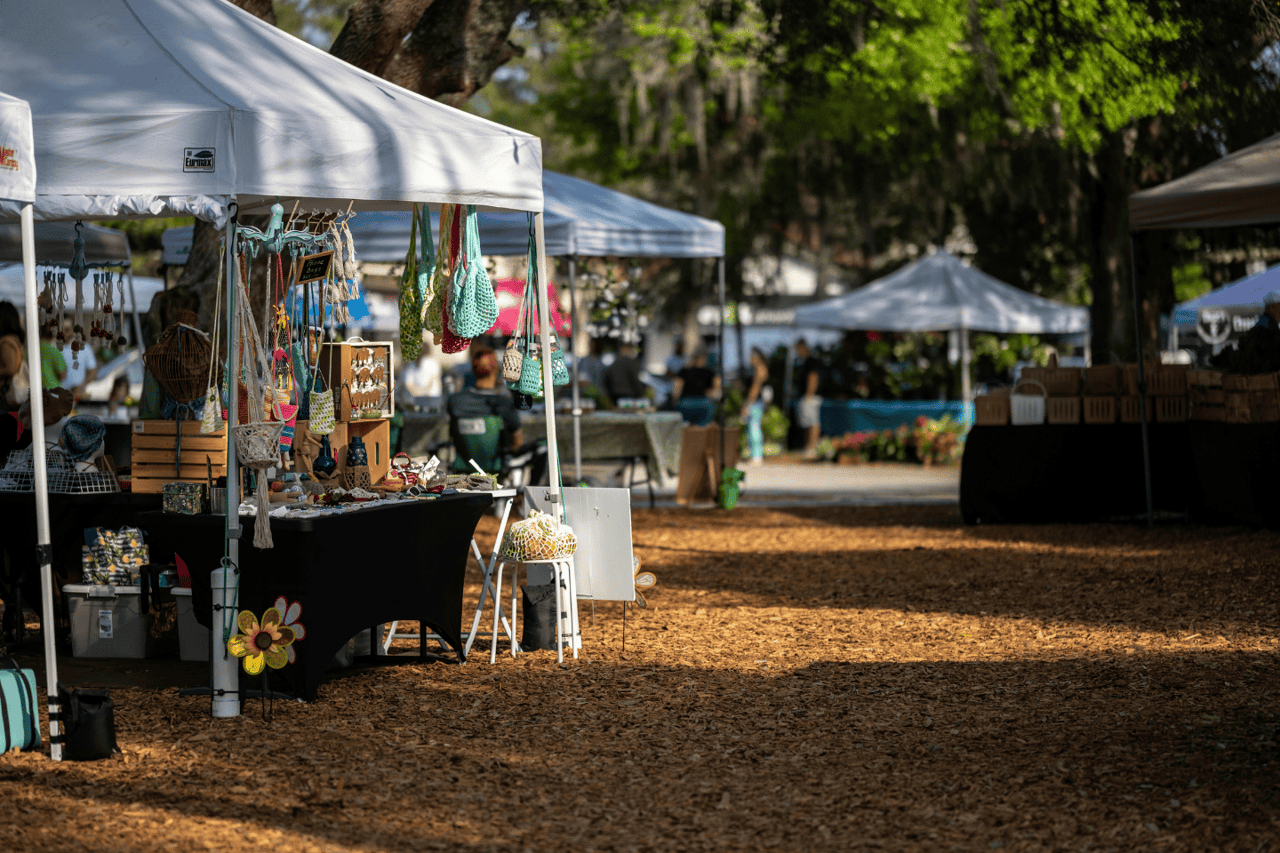
None of this means downtown foot traffic has fully recovered to whatever it was before 2020. As Mountain View Voice reported, Amanda Rotella, Mountain View's economic vitality manager, said the pandemic hit downtowns hard and that the return to office work has been slow, meaning less foot traffic makes it downtown on an average day. That's the reasoning behind the city's newest experiment: the Makers Market, a pilot program that put local vendors on the 300 block of Castro Street with no booth fee, on four Fridays this fall.
The first date already happened on September 18. Three more are left this year: October 23, November 20, and December 18, each running 2 to 8 p.m. The city chose the 300 block specifically because it has more open room for programming than the sections where restaurants have expanded their outdoor dining into the street. Because the first three blocks of Castro are already permanently closed to vehicles, the market causes essentially no disruption to parking or traffic. It's a low-cost way to test whether a Friday night crowd downtown can be grown rather than just redistributed among existing restaurants.
If Castro Street's daytime and evening traffic were already at full strength, the city wouldn't need to build a new reason for people to show up on a Friday. The Makers Market is a tell.
What Actually Doesn't Change
Against all that churn, three things in downtown Mountain View have stayed remarkably constant.
- Music on Castro has run every Wednesday from April to October for years, and this year is no exception, with performances still scheduled on the 200 block through the end of the month.
- The Mountain View Farmers' Market has run every Sunday since 1994 at the Caltrain station lot, drawing more than 100 farmers and food vendors on an average week, making it one of the longest-running weekly traditions in this part of the Peninsula.
- According to Mountain View Voice, Oktoberfest returns October 10 and 11 for its 11th year, and this year it's bigger. The Chamber of Commerce, which has run the event since 2013, is expanding the footprint again, moving vendor booths to the upper section of Castro Street to improve flow between attractions, with the beer booths, tent, and stage staying in their usual spots. The Chamber expects roughly 15,000 people over the weekend.
These are the fixed points. A restaurant with your name on the lease might not make it eighteen months. A weekly market that's been running since before most of downtown's current storefronts existed almost certainly will.
Reading the Block Correctly
None of this is a story about a downtown in trouble. It's a story about a downtown with a fast metabolism, where 110 Castro has seen concept turnover while Mediterranean Grill House at 650 has operated for nearly two decades. New operators like the team behind NAR add to that mix. And the city is filling in the gaps it sees with tools like the Makers Market rather than waiting for the problem to solve itself.
If you're planning a fall evening downtown, that reading is actually useful. Catch one of the last Music on Castro Wednesdays before the season ends. Swing by the 300 block on October 23, November 20, or December 18 for the Makers Market. Block off the weekend of October 10 and 11 for Oktoberfest, and expect a bigger crowd than last year. And if you're the kind of person who treats Sunday mornings as sacred, the farmers market at the Caltrain lot will be there, more or less unchanged, the way it has been for over thirty years.
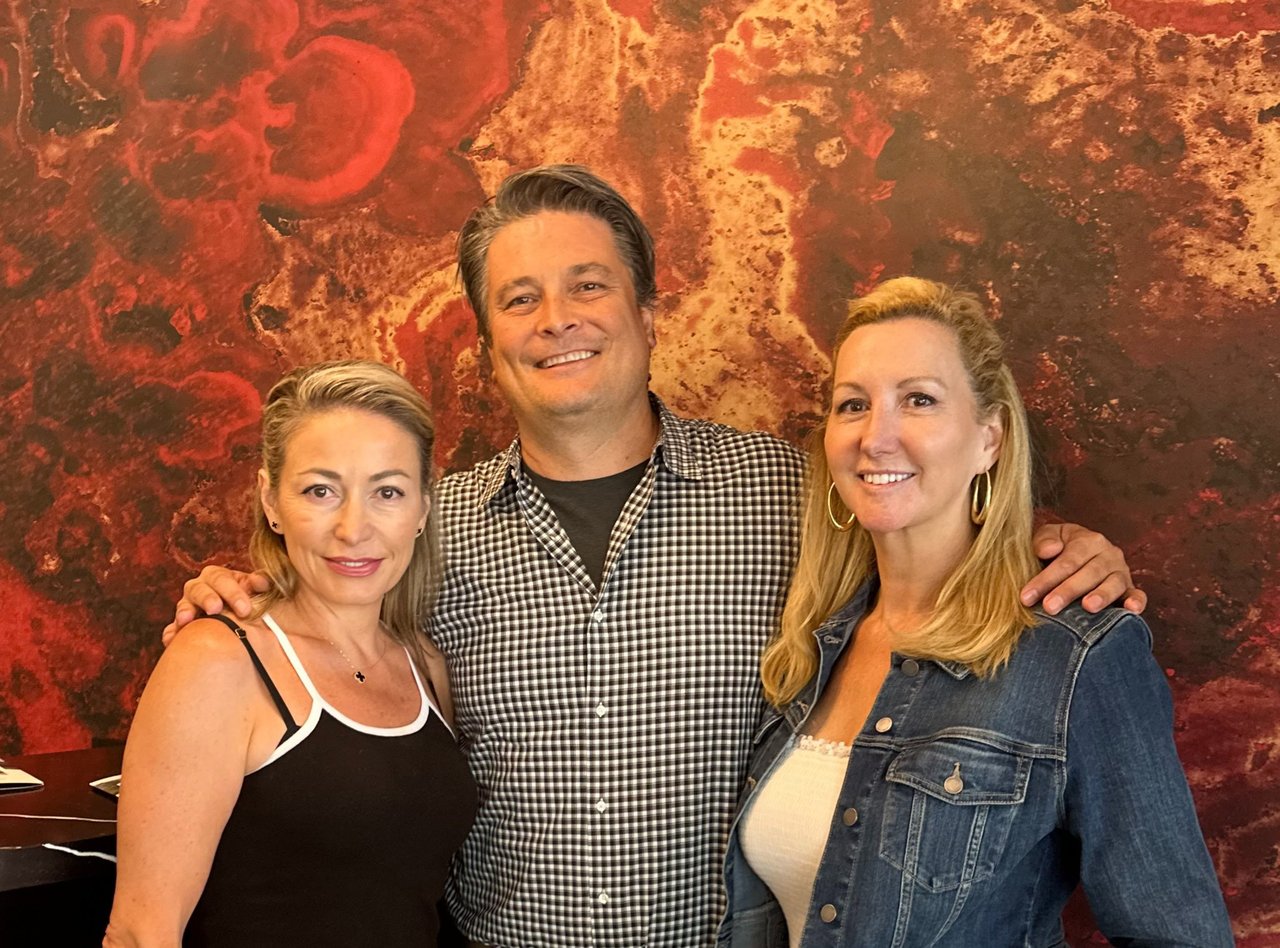
We watch these patterns closely because they tell us something real about the neighborhoods we work in every day. The Kiersten Ligeti & Patricia Karoubi Team has spent years paying attention to what makes Silicon Valley communities like Mountain View function, not just what's for sale in them. If you're ever curious about what a street like this means for the market around it, or you're weighing a move to the Peninsula down the road, Book an Appointment and we'll talk it through.