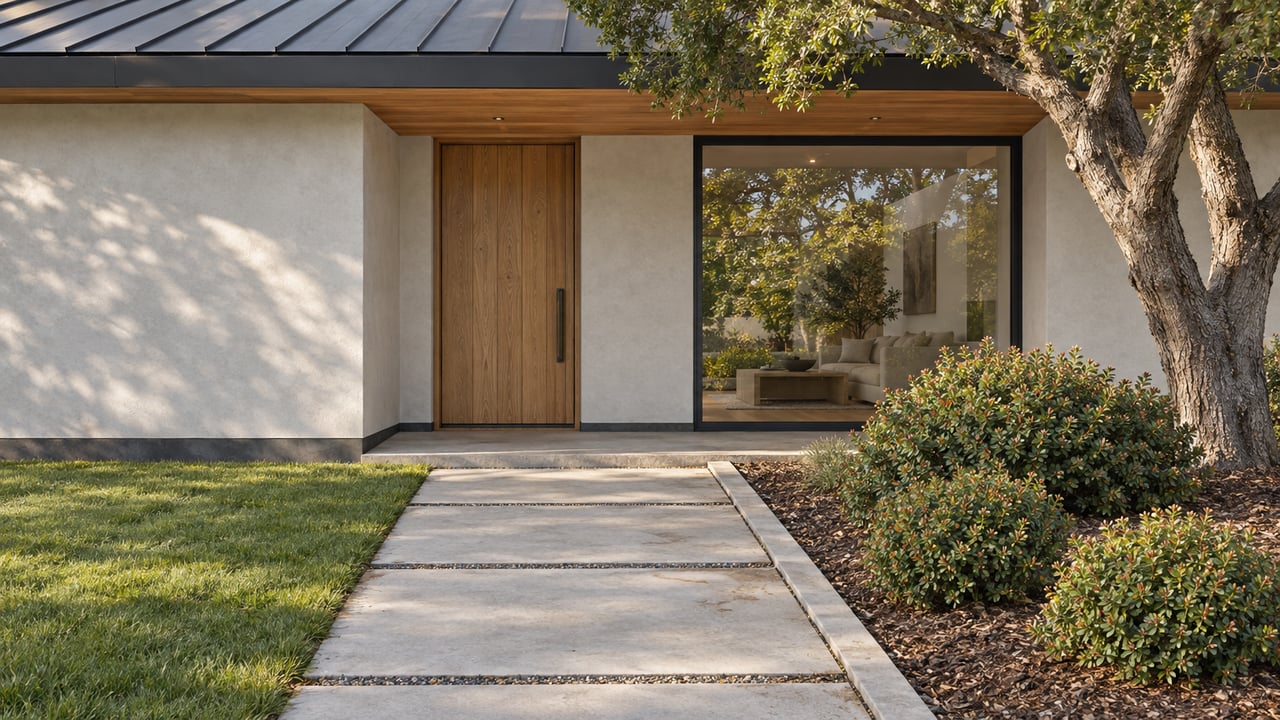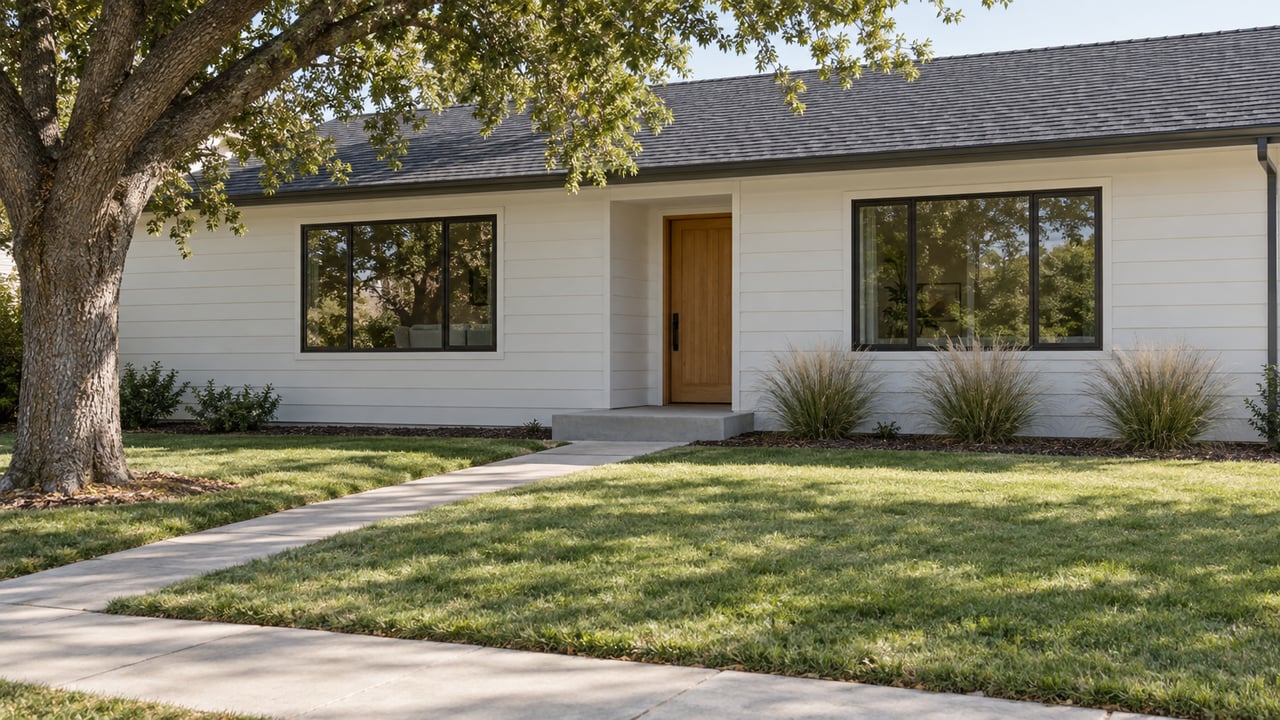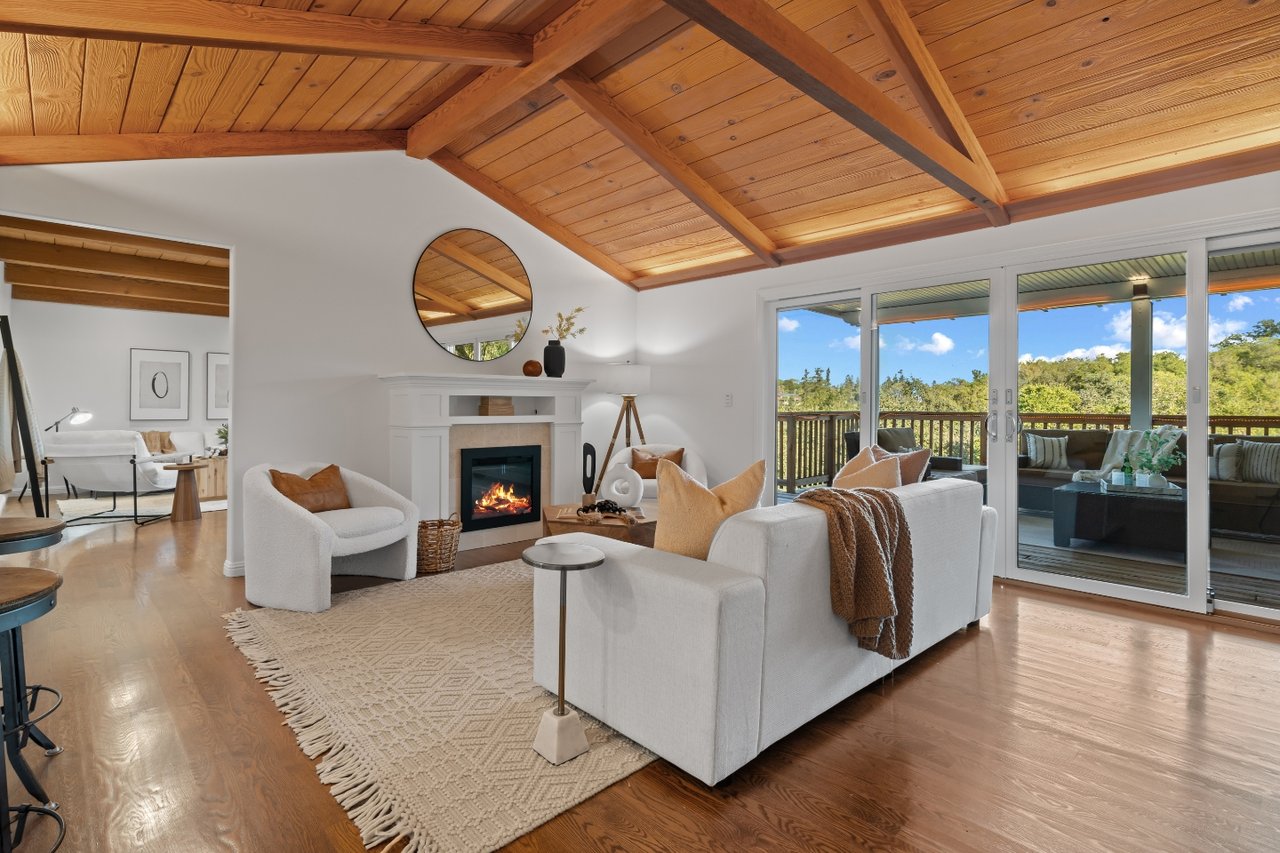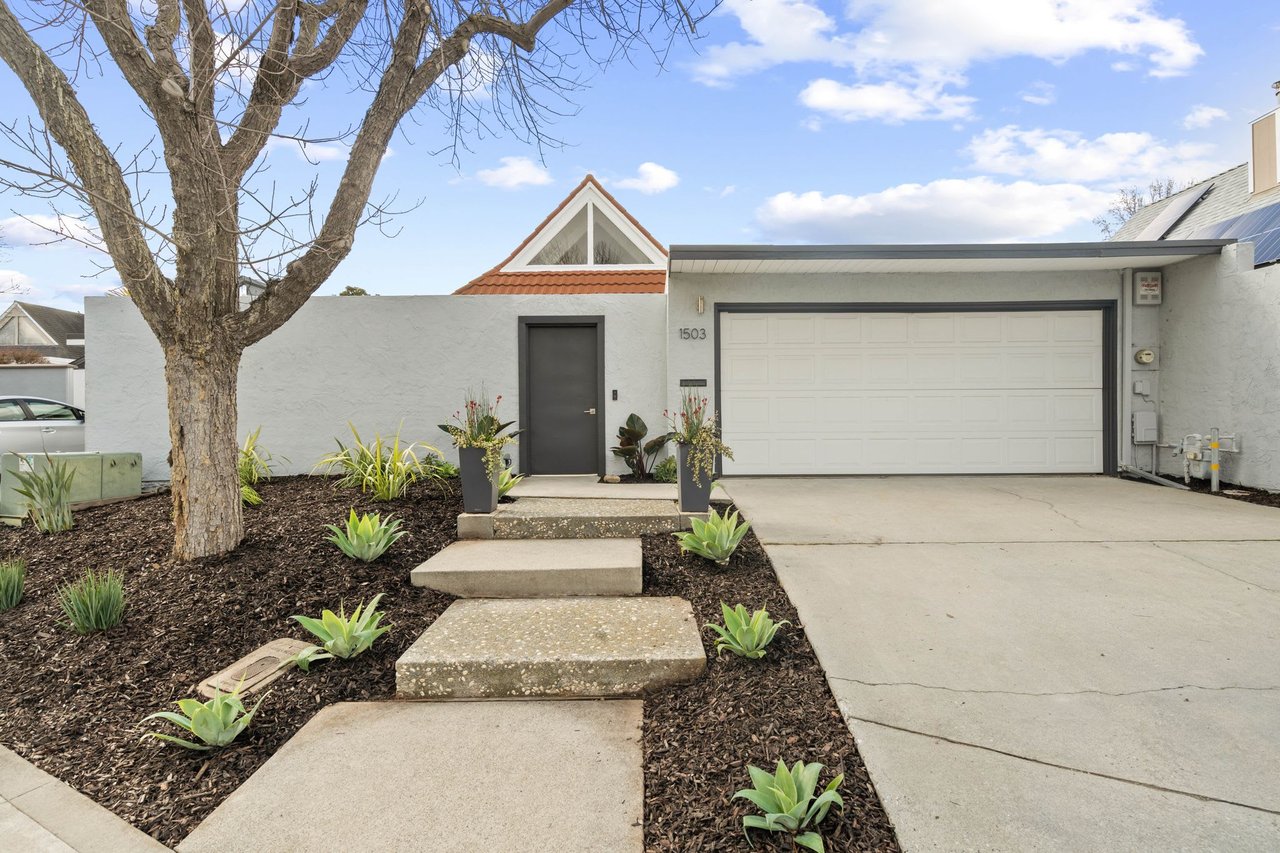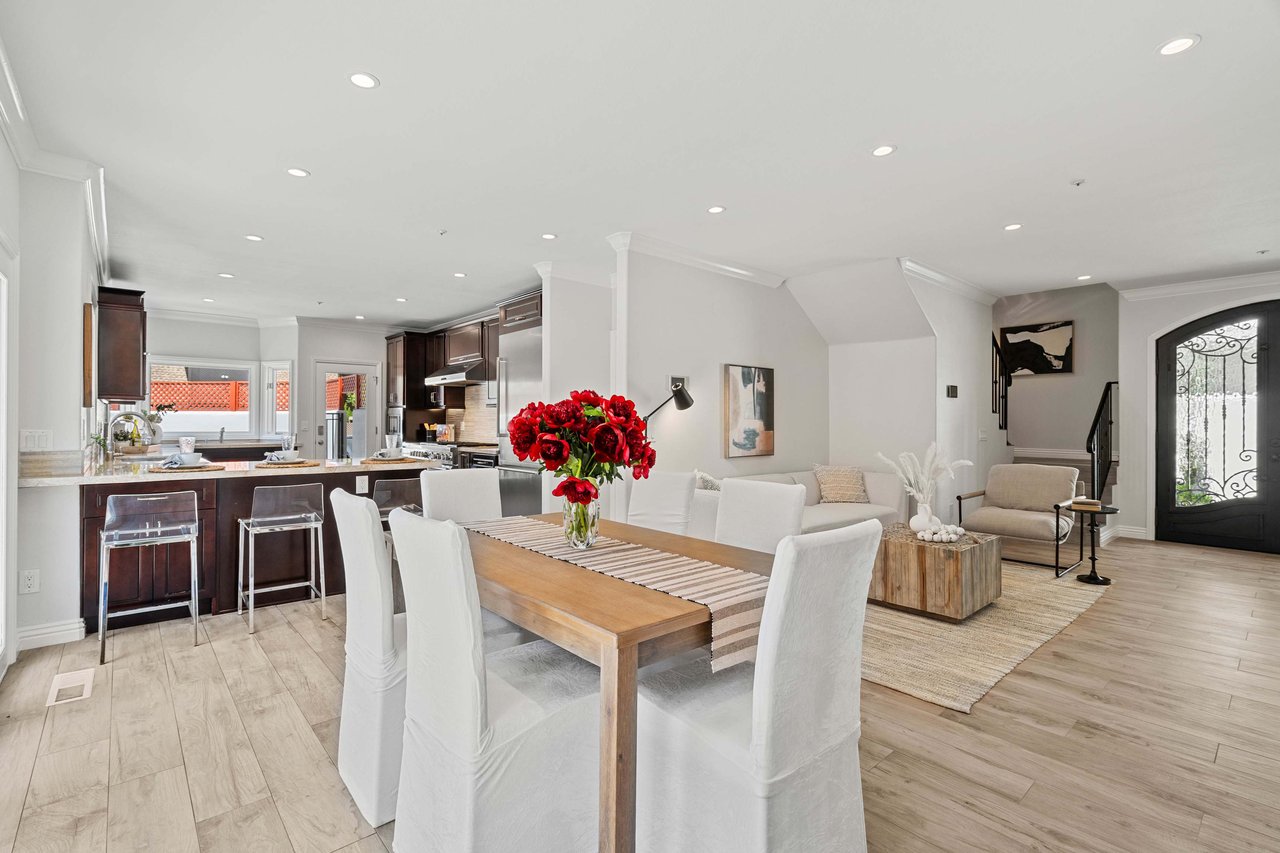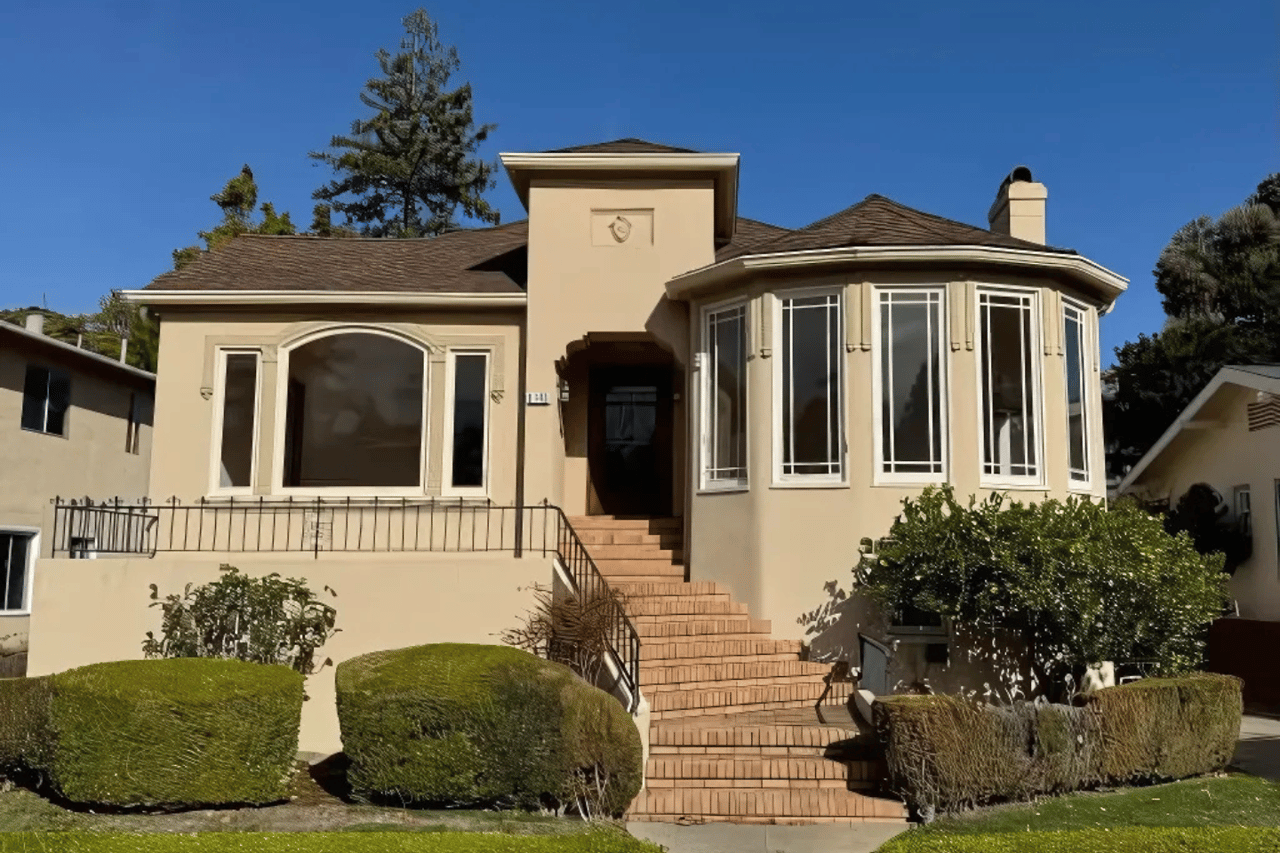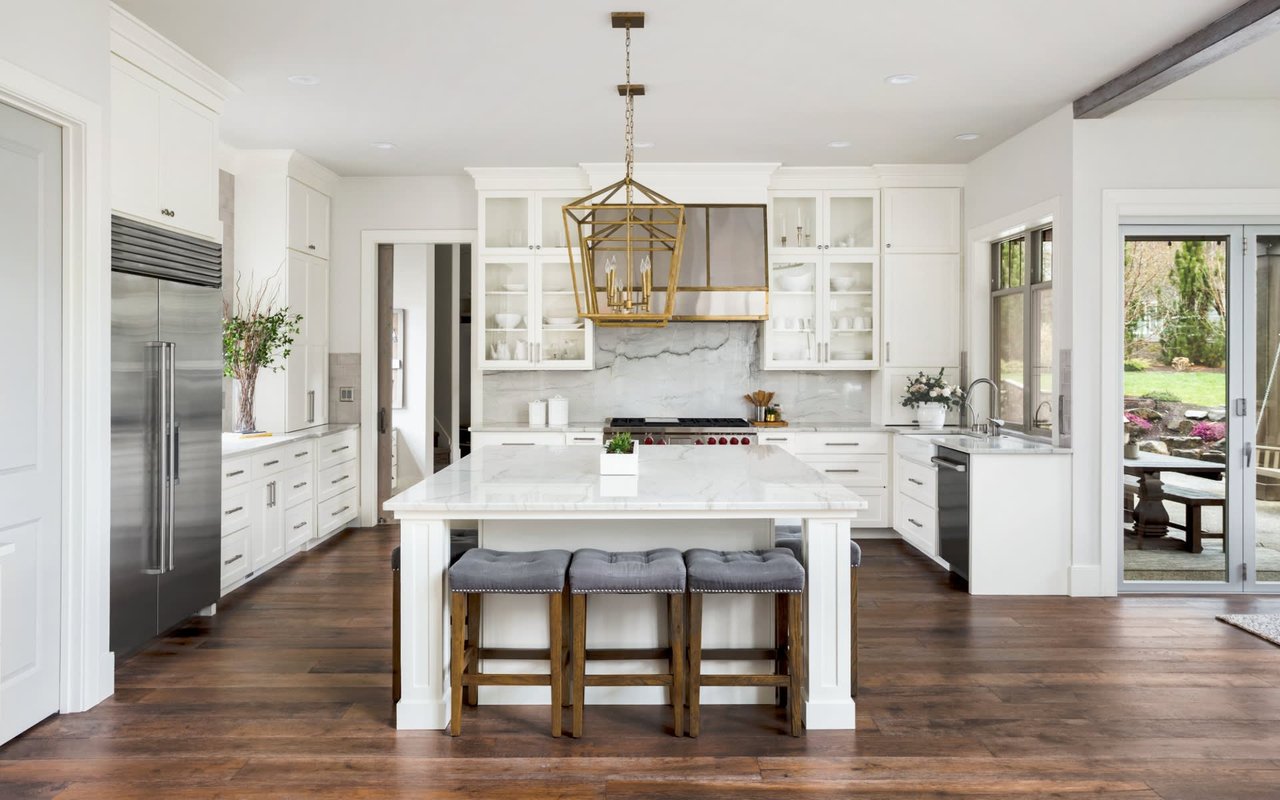
For many buyers, the $3M to $5M range represents the entry point into the Peninsula’s luxury market.
At this level, the dynamics shift. Buyers are no longer competing on budget alone. They are competing on strategy, timing, and their ability to quickly and accurately assess value in a highly nuanced environment.
Some homes will attract immediate attention and multiple offers. Others, sometimes just as compelling on paper, may trade more quietly. The difference often comes down to how well a buyer understands what they are evaluating and how they choose to act.
The goal is not simply to win a property. It is to secure the right property with confidence, knowing the price reflects both current value and long-term potential.
Understanding Micro-Market Comps
At the luxury entry level, comparable sales are rarely straightforward.
Two homes in the same neighborhood can vary significantly in value based on lot placement, privacy, natural light, floor plan, and level of design. Even subtle differences can translate into meaningful price gaps.
Broad averages quickly lose relevance in this context. Price per square foot can provide a baseline, but it does not capture the full picture.
A more precise approach is to evaluate each home within its micro-market. This means analyzing recent sales with similar characteristics, understanding how those homes were positioned, and identifying where the current opportunity fits within that spectrum.
Buyers who rely on surface-level comparisons often misread value. Those who understand the nuances are better positioned to act decisively when the right opportunity presents itself.
Reading Offer Activity, Not Just List Price
In this segment of the market, list price is often a strategy rather than a clear indicator of value.
Some homes are intentionally positioned to generate broad interest and multiple offers. Others are priced closer to where the seller expects to land. Without context, it can be difficult to distinguish between the two.
Offer activity often reveals more than pricing ever will.
How quickly are disclosures being reviewed? How much early showing activity is taking place? Are agents signaling preemptive interest or setting a defined offer timeline?
These indicators provide a real-time view of how the market is responding.
Much of this insight comes from agent-to-agent communication, which is where a significant portion of the market signal lives.
For buyers, this clarity helps define the approach early. It becomes easier to determine whether a property requires a highly competitive position or a more measured strategy.
When to Go Non-Contingent and When Not To
Non-contingent offers are common at this level, but they are not universally required.
Removing contingencies can strengthen an offer, particularly in competitive situations. At the same time, it introduces additional exposure if key details have not been fully vetted.
The most effective decisions in this area are grounded in preparation rather than urgency.
When disclosures, inspections, and due diligence are comprehensive and clear, a non-contingent structure can be a strategic advantage. When there are open questions around condition, permits, or future scope, maintaining appropriate protections can be the more disciplined choice.
Strong offers are not defined by the amount of risk they absorb, but by how intentionally that risk is evaluated and managed.
Identifying Homes With Upside vs. Fully Realized Value
Not every home in this price range offers the same long-term profile.
Some properties are fully realized. They have been recently renovated, thoughtfully designed, and brought to market in peak condition. These homes often command premium pricing because they deliver immediate lifestyle appeal.
Others may present differently. They may offer strong location and underlying fundamentals but lack the same level of finish or cohesion. These properties can present an opportunity to create value over time.
The distinction is important.
Paying a premium for a fully realized home can be the right decision when it aligns with your priorities. Pursuing a property with upside can also be a compelling strategy when the improvements are well considered and the fundamentals support the investment.
In both cases, the objective remains the same. The price should reflect not only the current state of the home, but its long-term potential.
A Strategic Approach to Competing
At this level, success is rarely driven by a single decision. It is the result of preparation, insight, and timing working together.
Well-positioned buyers tend to:
-
Understand value at a detailed, property-specific level
-
Recognize early signals of competition
-
Act decisively when the right home emerges
-
Remain disciplined when a property does not align with their objectives
This balance allows buyers to compete effectively while maintaining a clear framework for decision-making.
The Takeaway
The $3M to $5M segment represents a meaningful entry point into the Peninsula’s luxury market, where competition is strong but often highly rational for those who understand how it operates.
Success at this level is less about reacting and more about recognizing value early, structuring the right offer, and acting with intention.
In a market where small differences can translate into meaningful dollars, strategy is what ultimately protects both capital and long-term upside.
--
Frequently Asked Questions About Buying in the $3M to $5M Range
Is $3M to $5M considered luxury on the Peninsula?
For many buyers, this range represents the entry point into the luxury market, particularly in highly sought-after cities like Palo Alto and Los Altos.
How do I know if a home is priced strategically or at market value?
Look beyond list price to early buyer activity, comparable sales, and agent insight. Strong early interest often signals intentional pricing.
Are non-contingent offers required to compete at this level?
Not always. They can strengthen an offer, but should only be used when due diligence is complete and the level of risk is clearly understood.
Is it better to buy a fully renovated home or one with potential?
Both can be strong options. Fully renovated homes offer convenience, while properties with potential may provide long-term value depending on your goals.
How can I avoid overpaying in a competitive market?
Focus on property-specific value, understand the level of competition, and maintain discipline around your long-term investment criteria.