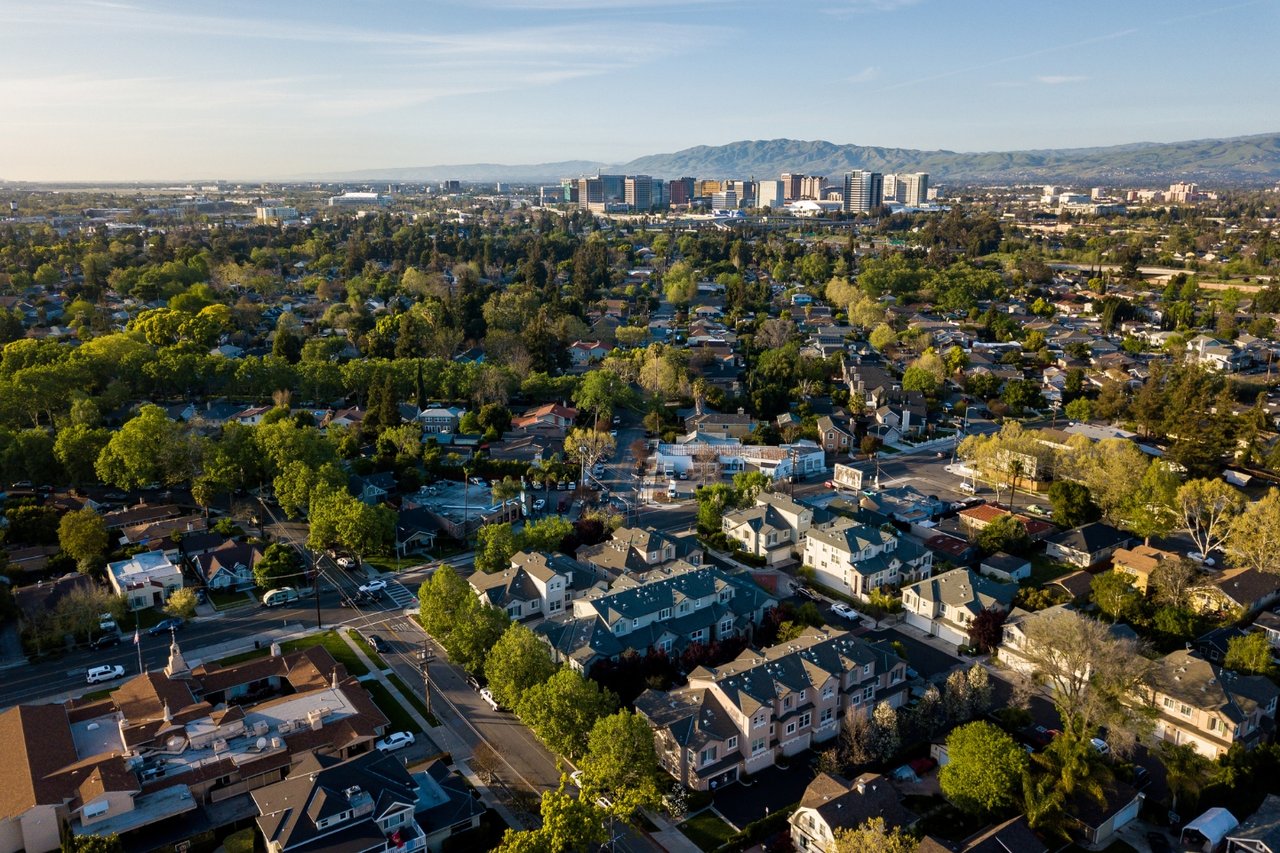
Silicon Valley enters 2026 at an inflection point that feels both familiar and entirely new. Innovation, capital, and talent have always shaped this market, but the velocity of change over the last eighteen months has been remarkable. After years of elevated interest rates, tech sector volatility, and cautious buyer behavior, confidence has returned in a meaningful way.
What makes this moment distinct is not just a market recovery, but the source of momentum behind it. Artificial Intelligence has created a new generation of wealth at unprecedented speed. Federal Reserve policy has pivoted toward liquidity and economic stimulation. At the highest end of the market, ultra-luxury real estate has proven resilient, liquid, and increasingly global in nature.
While much of the U.S. housing market struggled to regain traction in 2025, Silicon Valley and San Francisco began to reassert themselves as leaders. Homes are moving faster, especially at the high end, and buyers are no longer waiting on the sidelines. Heading into 2026, the region appears to be entering a new growth cycle driven by structural forces rather than speculation.
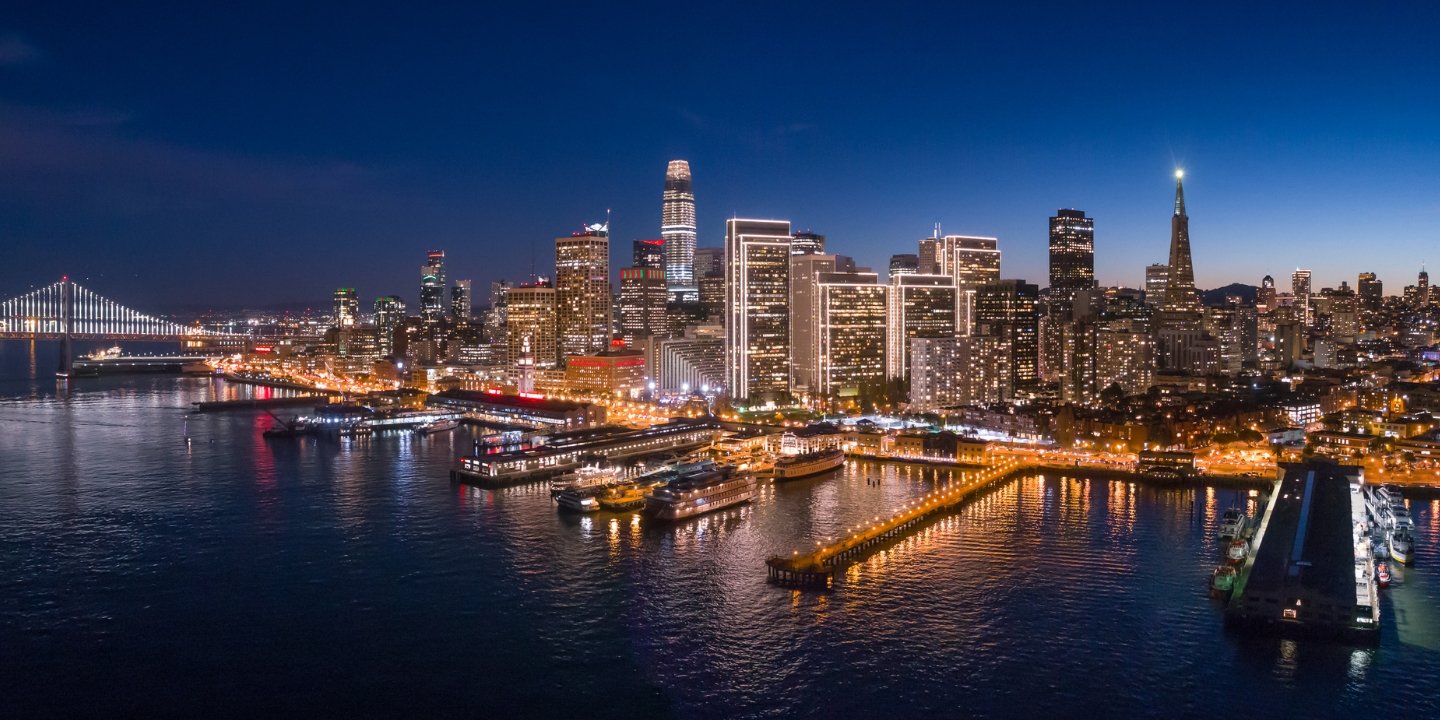
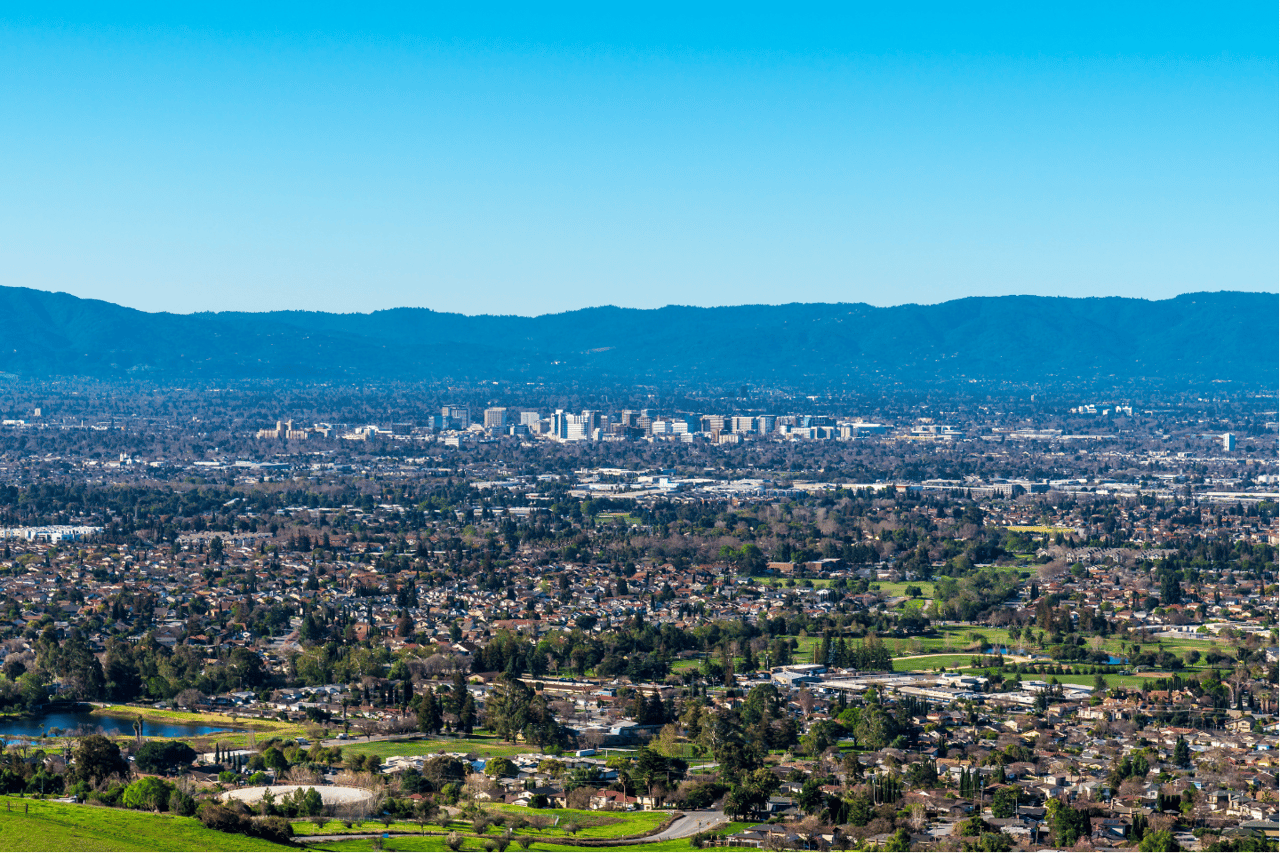
Silicon Valley and the broader San Francisco Bay Area have continued to see strong real estate price growth, even as many other parts of the country have experienced declines over the past few years.
Artificial Intelligence and the New Wealth Cycle
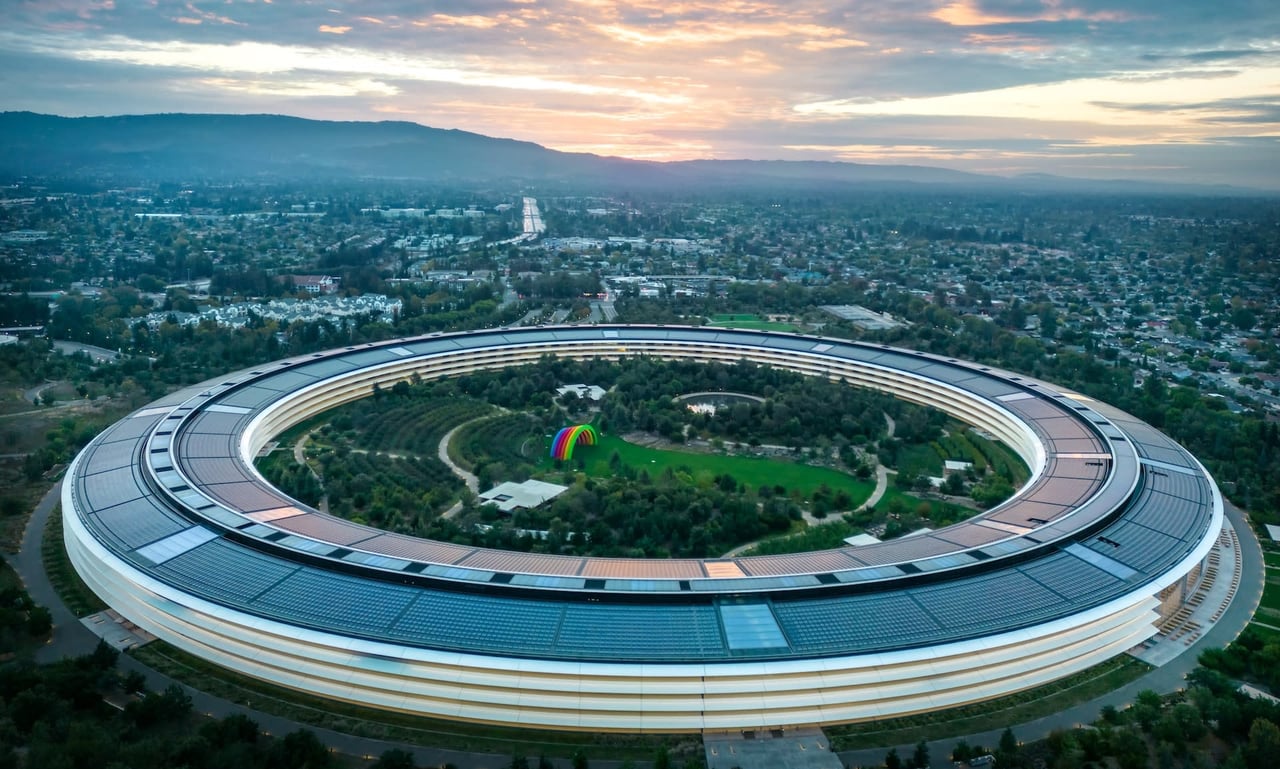
Artificial Intelligence has moved from buzzword to backbone of the Bay Area economy. What was once a niche segment of the tech sector has become a primary driver of hiring, capital formation, and long-term growth across Silicon Valley and San Francisco. As AI companies scale rapidly, their influence is no longer confined to venture capital or public markets. It is now showing up clearly in residential real estate demand.
Unlike previous tech cycles, AI-driven wealth is being created faster and earlier in careers. Founders, engineers, and early employees in their 20s and 30s are reaching liquidity events that historically occurred much later, if at all. The result is a growing pool of young, highly sophisticated buyers entering the housing market with substantial purchasing power.
Companies like OpenAI have become anchors for this new economy, accelerating both job growth and capital formation. This has translated into renewed urgency across residential real estate, particularly in desirable neighborhoods close to innovation hubs.

AI has been the main driving force behind recent Silicon Valley real estate price appreciation
Market speed is one of the clearest indicators of this shift. As noted by Quetzal Grimm, VP Managing Director at The Agency Los Altos & Woodside:
“With the Bay Area home to over 800 AI companies that absorbed a massive 82% of global Generative AI venture capital funding in 2024, it shouldn't surprise anyone that this industry is significantly impacting our local real estate markets. In September, the typical home went into contract in 19 days in the San Jose metro area and in 21 days in the San Francisco metro area. Ranking 1st and 2nd in major metros nationwide. Although AI companies have been around for 10 or so years, their impact on housing, especially the high end, has been sudden.”
These metrics matter. They signal a return of confidence and competition, even in an environment where mortgage rates remain well above the historic lows of the early 2020s. Buyers with strong balance sheets are acting decisively when homes meet their criteria.
San Francisco, in particular, has benefited from this resurgence. After years of negative sentiment, the city has seen a meaningful rebound driven by AI company expansion and talent migration back into the urban core. Luxury condos and prime single-family homes are once again attracting serious interest, suggesting that the narrative around San Francisco is shifting faster than many anticipated.
Federal Reserve Activity and Liquidity Conditions
While innovation is driving demand, monetary policy continues to shape market behavior.
To close out 2025, the Federal Reserve cut interest rates three times, signaling a clear shift away from the restrictive stance that defined prior years. More notably, on December 12, 2025, the Fed began purchasing short-term Treasury bills in an effort to maintain liquidity in the financial system.
Officially labeled Reserve Management Purchases, the program includes approximately $40 billion per month in short-dated Treasury purchases, along with reinvestment of maturing securities. While the Fed has avoided calling this quantitative easing, many market analysts view it as functionally similar.
Liquidity is critical for asset markets, including real estate. When capital becomes more available and financing conditions stabilize, risk tolerance improves, and transaction volume typically follows.
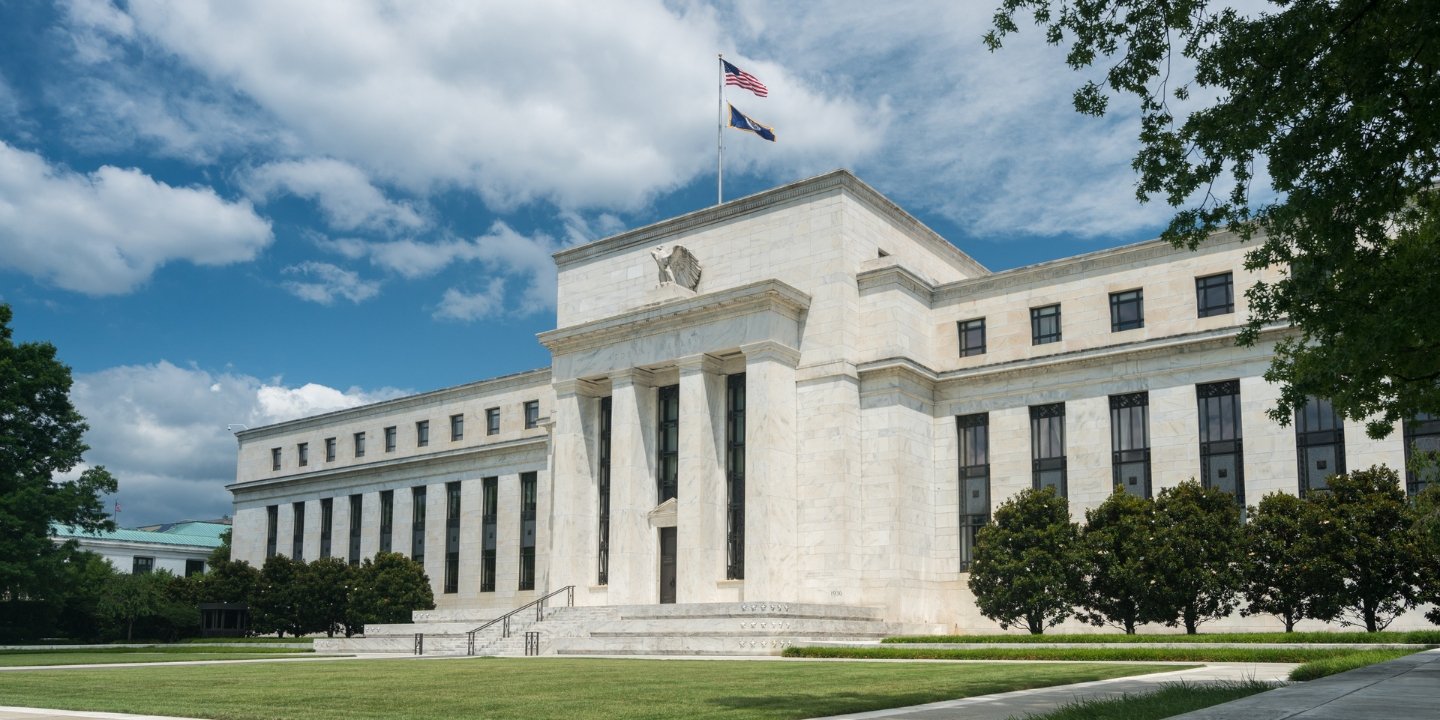
The Federal Reserve is on the verge of a leadership transition, and the resulting policy shifts are expected to influence the broader real estate market.
Adding another layer of uncertainty and opportunity is the impending leadership transition at the Federal Reserve. Chair Jerome Powell’s term expires in May, with a new nominee expected to be announced in January by U.S. President Donald Trump. The incoming Federal Reserve Chairman is widely expected to favor a more dovish economic approach, prioritizing lower rates and increased economic activity.
For Silicon Valley real estate, this environment supports renewed buyer engagement. Even modest declines in rates can unlock pent-up demand, particularly among move-up buyers and investors who delayed decisions during the tightening cycle.
While rates may remain elevated compared to historic lows, the psychological shift from rising to falling rates has already altered behavior. Buyers are no longer waiting for perfection. They are positioning ahead of what they view as a more accommodative monetary environment.
Ultra Luxury Real Estate Outperforming the Broader Market
Perhaps the most fascinating trend heading into 2026 is the continued strength of the ultra-luxury segment.
Nationally, the housing market in 2025 was subdued. Transaction volumes were modest, and affordability remained strained. Ultra-luxury real estate, however, told a very different story.
According to data compiled by appraiser Jonathan Miller and The Wall Street Journal, the top ten residential deals in 2025 were all above $100 million. This surpassed the peak years of the pandemic era and underscored the growing separation between the broader housing market and the highest tiers of real estate.
In Silicon Valley, homes priced between $15 million and $40 million have been selling faster than many expected. These properties are benefiting from a convergence of factors, including AI liquidity, stock market strength, limited inventory of truly irreplaceable homes, and a shift toward lifestyle-driven purchasing.
Ultra-high-net-worth buyers remain active and confident. Their priorities are clear. They are seeking properties that offer privacy, security, architectural quality, and long-term value protection. Location remains paramount, especially proximity to innovation corridors, top schools, and global transportation access. Luxury homes in Los Altos, Los Altos Hills, Atherton, Palo Alto, and surrounding areas continue to be at the top of the list for this group of buyers.
Some notable local luxury sales in 2025 illustrate the strength of Silicon Valley real estate, with the top luxury home in Atherton selling for $45.5 million, Portola Valley’s top sale reaching $56 million, and Woodside’s top sale commanding an extraordinary $85 million, underscoring the enduring value of our region’s luxury market.
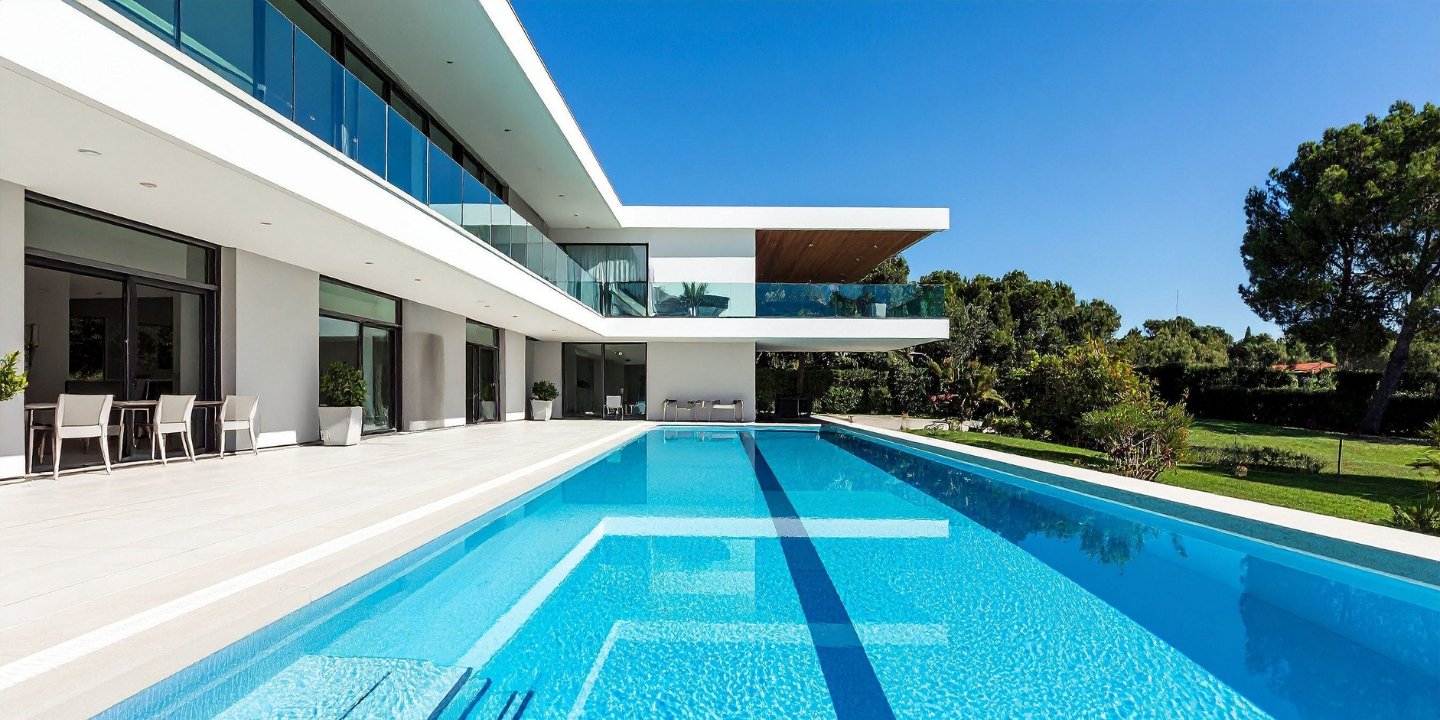
For the first time on record, the top ten residential transactions in 2025 each surpassed $100 million, demonstrating the strength of the ultra-luxury market.
As an insider reminder, many upper-end homes never appear on the MLS (Multiple Listing Service) and are sold privately to maintain the highest level of discretion. Working with top luxury agents, like our team, is the best way to gain a true understanding of the market and access these exclusive opportunities.
Unlike prior cycles, many of these buyers are not primarily motivated by short-term appreciation. Real estate is increasingly viewed as both a lifestyle asset and a wealth preservation tool, particularly during periods of economic transition.
This helps explain why ultra-luxury real estate continues to set records even amid broader economic uncertainty. For these buyers, volatility often creates opportunity rather than hesitation.

People continue to be drawn to Silicon Valley for the incredible financial and lifestyle opportunities the area offers.
Looking Ahead to 2026
As Silicon Valley moves into 2026, the market feels less speculative and more structurally sound. Artificial Intelligence has reignited the region’s core economic engine, Federal Reserve policy has shifted toward supporting liquidity and growth, and ultra-luxury real estate has reaffirmed its role as a resilient and globally competitive asset class.
This is not a uniform market. Opportunity is increasingly concentrated in quality, location, and alignment with how people live and work today. Homes that deliver lasting value are moving quickly, while those that miss the mark face more scrutiny.
The narrative of Silicon Valley’s decline has given way to one of reinvention. While challenges remain, the region’s ability to attract capital, talent, and innovation continues to set it apart.
For buyers, sellers, and investors, understanding these macro forces will be critical in navigating the year ahead. The next chapter of Silicon Valley real estate is unfolding now, and early indicators suggest it will be defined by confidence, speed, and a renewed belief in the long-term strength of the Bay Area.
Find Your Home in Los Altos
Enjoy searching for Los Altos real estate on our Los Altos home search page.
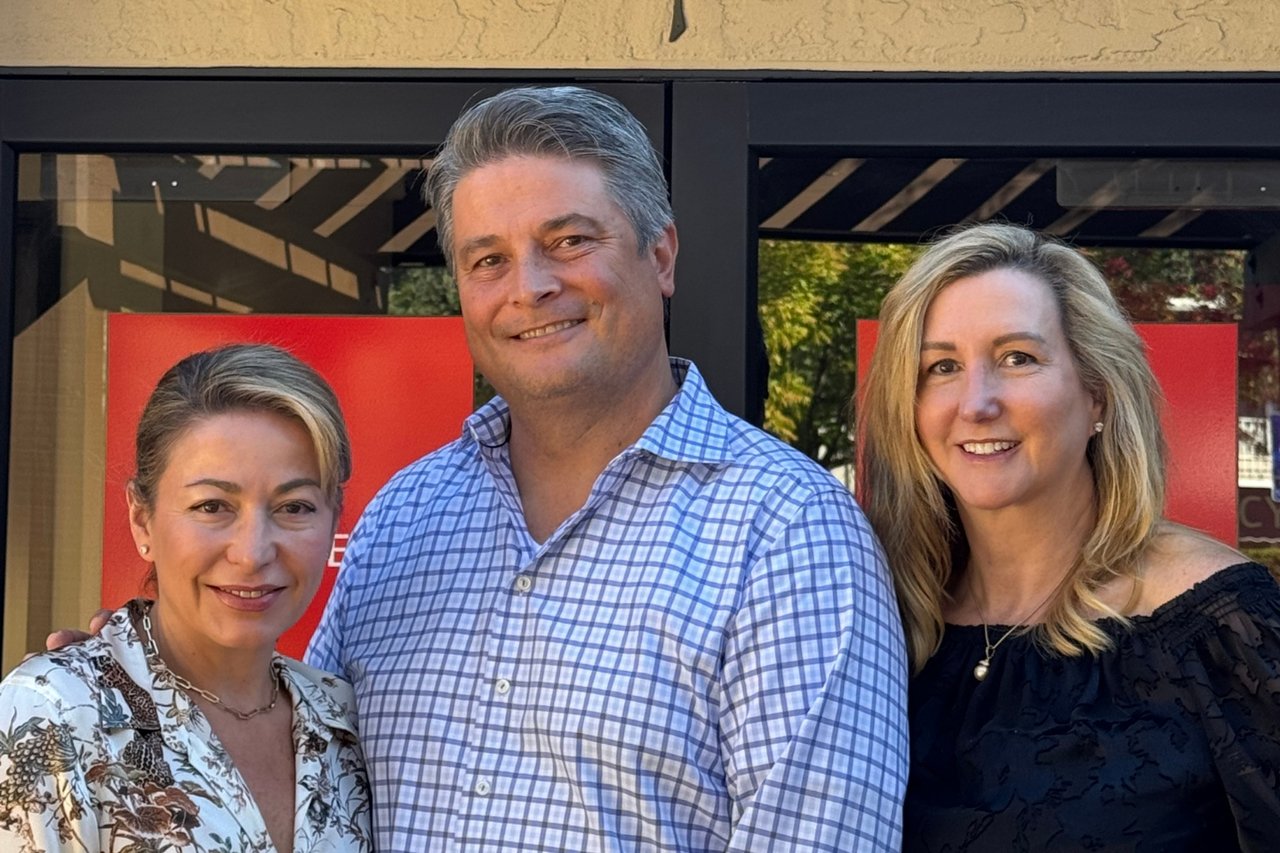
About the Kiersten Ligeti & Patricia Karoubi Team
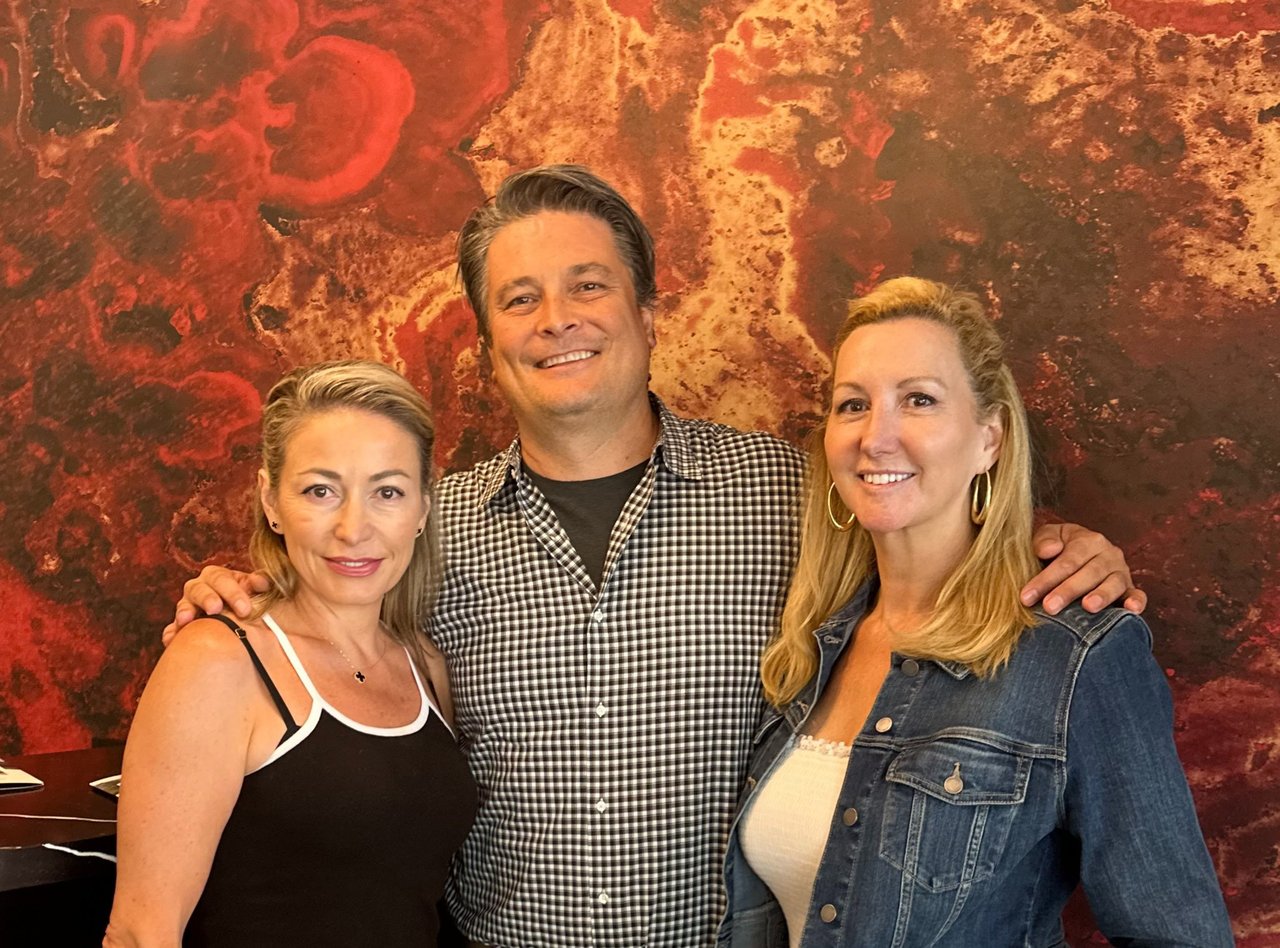
Ranked as the #1 Real Estate Team at The Agency Los Altos, Kiersten Ligeti and Patricia Karoubi utilize their combined 45+ years of experience to guide clients across the Peninsula and South Bay with skill, strategy, and deep local insight. Specializing in luxury real estate in Los Altos, Los Altos Hills, Atherton, Palo Alto, and surrounding areas, Kiersten & Patricia rank as Top 1.5% Real Estate Agents nationwide according to the latest annual report by RealTrends, the benchmark industry report for top real estate agent rankings. Known for building strong client connections, 90% of their business comes from referrals and repeat clients.
Kiersten Ligeti | 650.766.8319 | LIC. #01298631
Patricia Karoubi | 650.868.4565 | LIC. #01396914
The Agency Los Altos